Roller
Skating.
Eight wheels, a smooth floor, and a beat. A hobby that is also a culture, with a history of community, resistance, and style carried from segregated rinks to the boardwalk today.
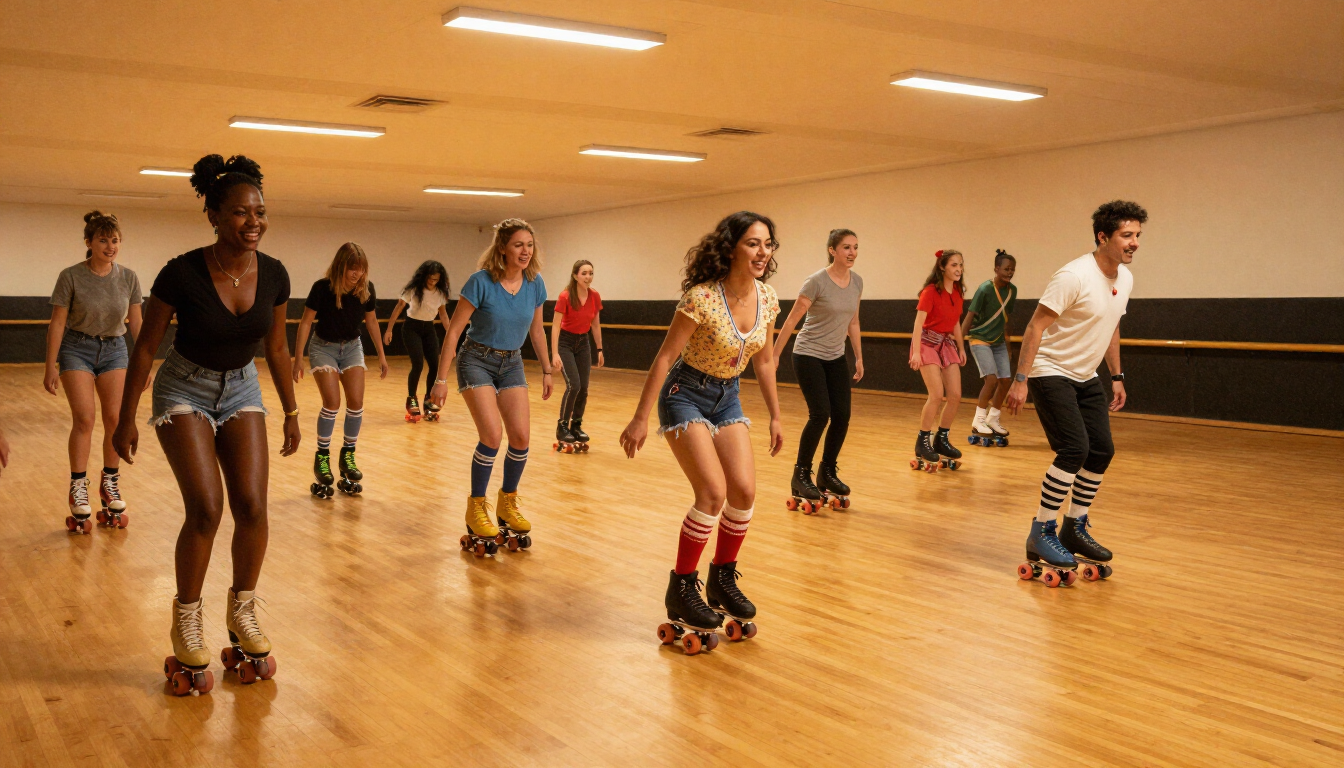
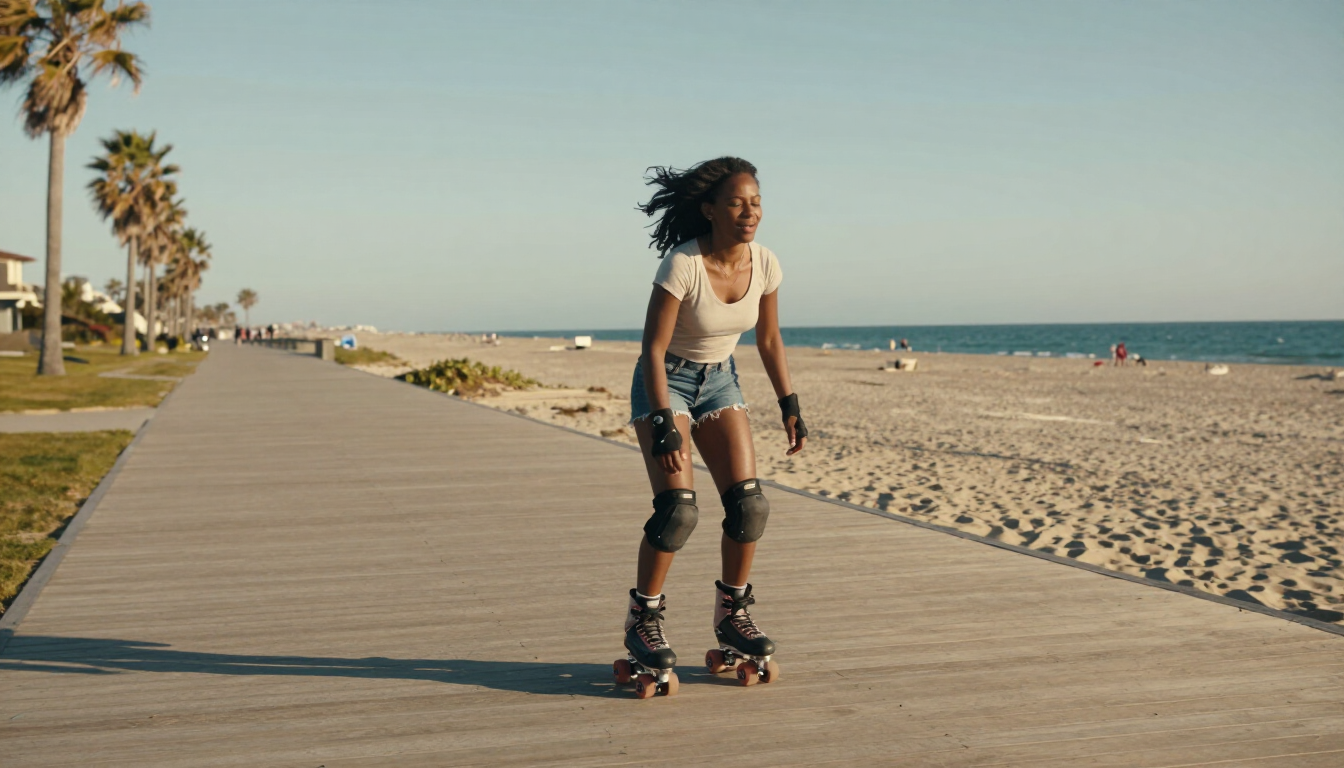
Where the Boardwalk Meets the Beat
Quad skates turn any smooth surface into a dance floor, and a boardwalk by the ocean is one of the best. The salt air, the grain of the wood, and the long sightlines let a skater settle into a rhythm that feels less like exercise and more like breathing.
This short film follows a skater through an afternoon session on the boardwalk, from the first push to the last golden-light glide.
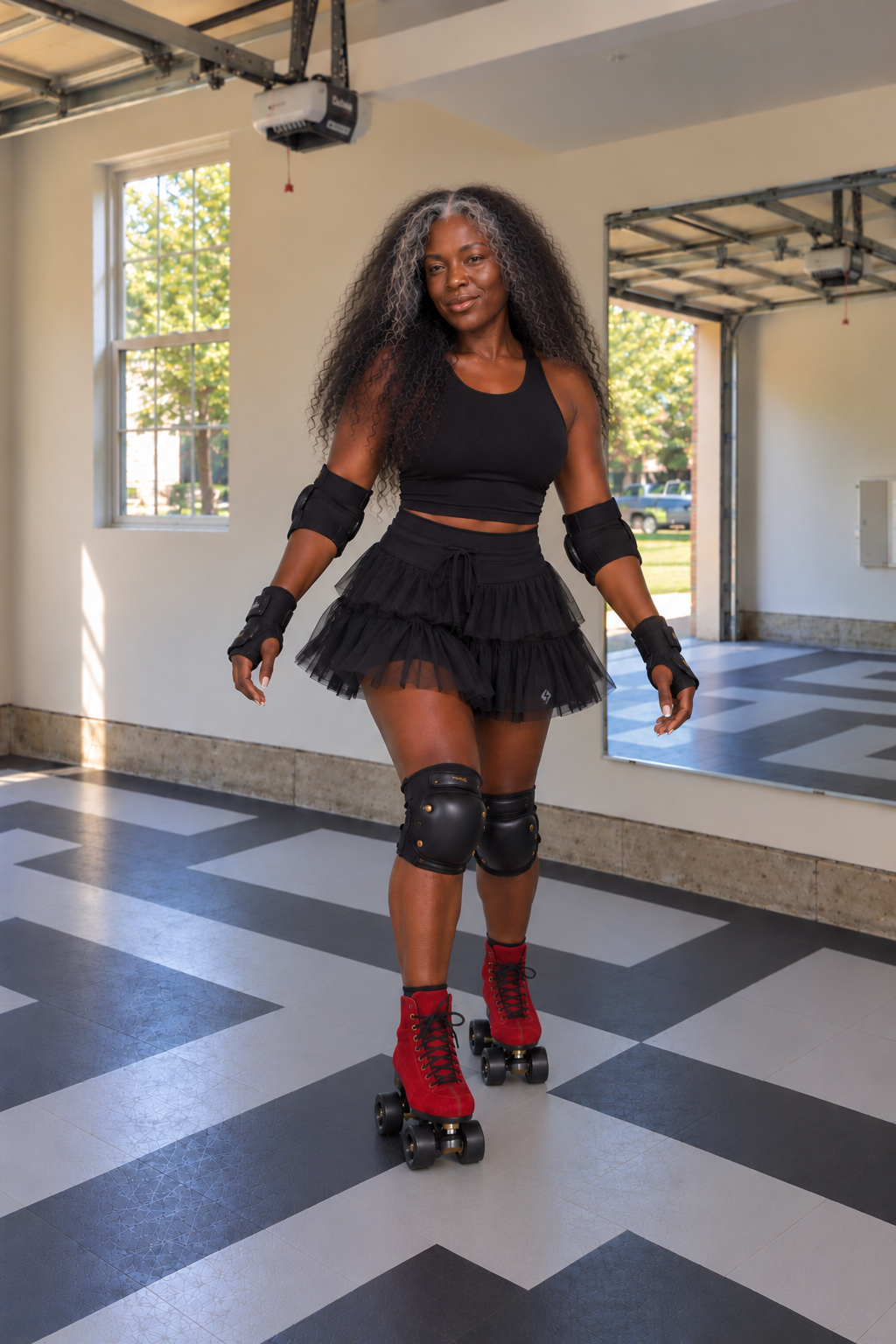
Rolling in Rhythm: A Black American Tradition
Roller skating has been part of Black social life in the United States for more than a century. In the early and mid-1900s, roller rinks boomed across the country, but most were segregated under Jim Crow. Black skaters were turned away or limited to a single “Black night” each week.
During the civil rights movement, skaters and organizers pushed back, holding skate-ins and protests at rinks that refused to integrate. Out of that exclusion grew a culture of its own. Black communities built distinctive regional styles set to soul, funk, and later hip-hop: JB skating in Chicago, named for James Brown; the fast, low style of Detroit; and snapping in Washington, D.C.
Rinks became gathering places, part dance floor and part family reunion, where the music, the fashion, and the skating moved together. The 2018 documentary United Skates traces this history and the steady loss of the rinks that held it.
DC Snaps
Washington, D.C. has its own skate style, called snapping or DC Snaps, and it is as local as go-go music or mambo sauce. The basic step is a series of one-foot, 180-degree pivots: the skater flows forward, snaps around to backward, and snaps back again, all on one foot, riding the beat.
It took shape alongside D.C.’s go-go and fashion culture in the 1980s, with home floors like Anacostia Skating Pavilion and Kalorama. Skaters skate to go-go, and the style prizes clean transitions, flow, and that signature snap on the turn.
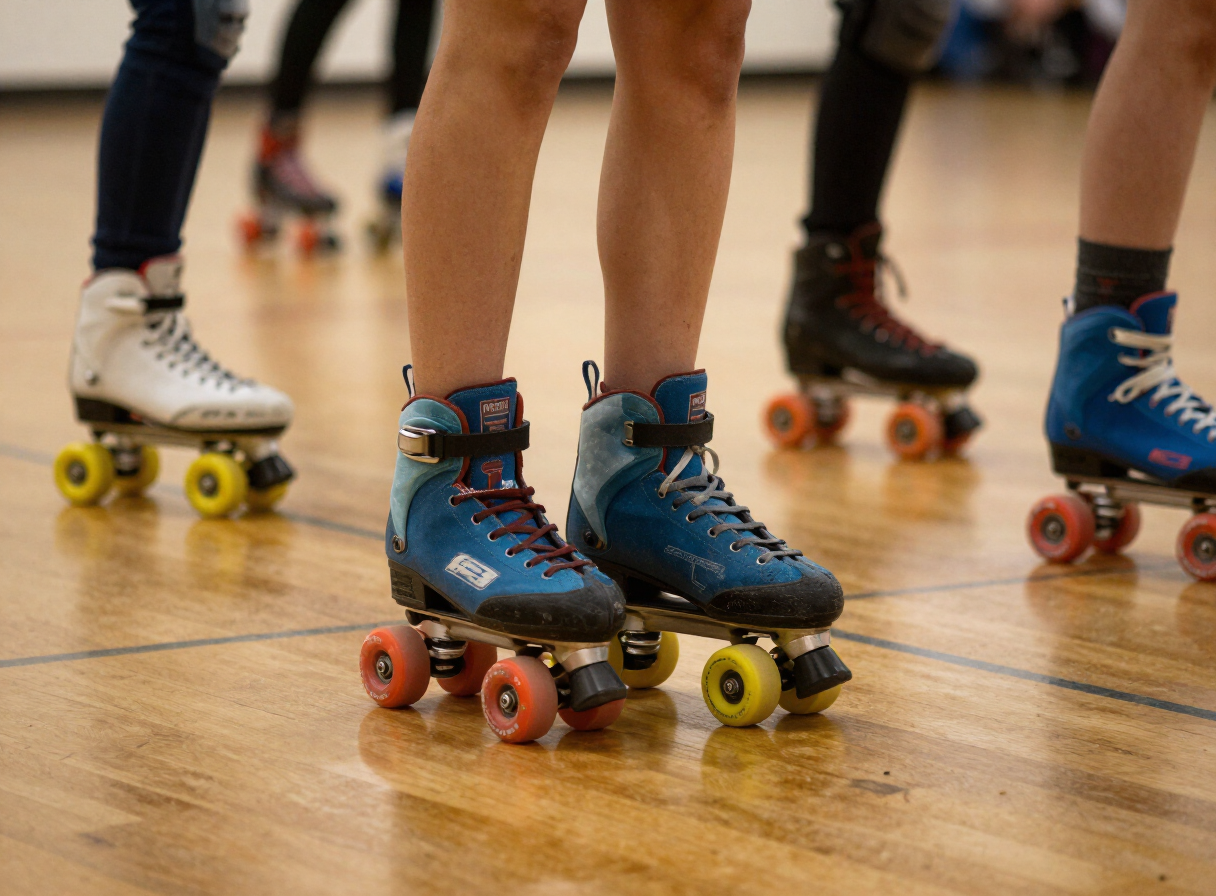 Slow-motion footage treatment of the skate wheels and footwork.
Beyond the rink.
Roller skating is one of the rooms in Tori’s life outside consulting. Head back to see the rest.
Back to Tori's Hobbies